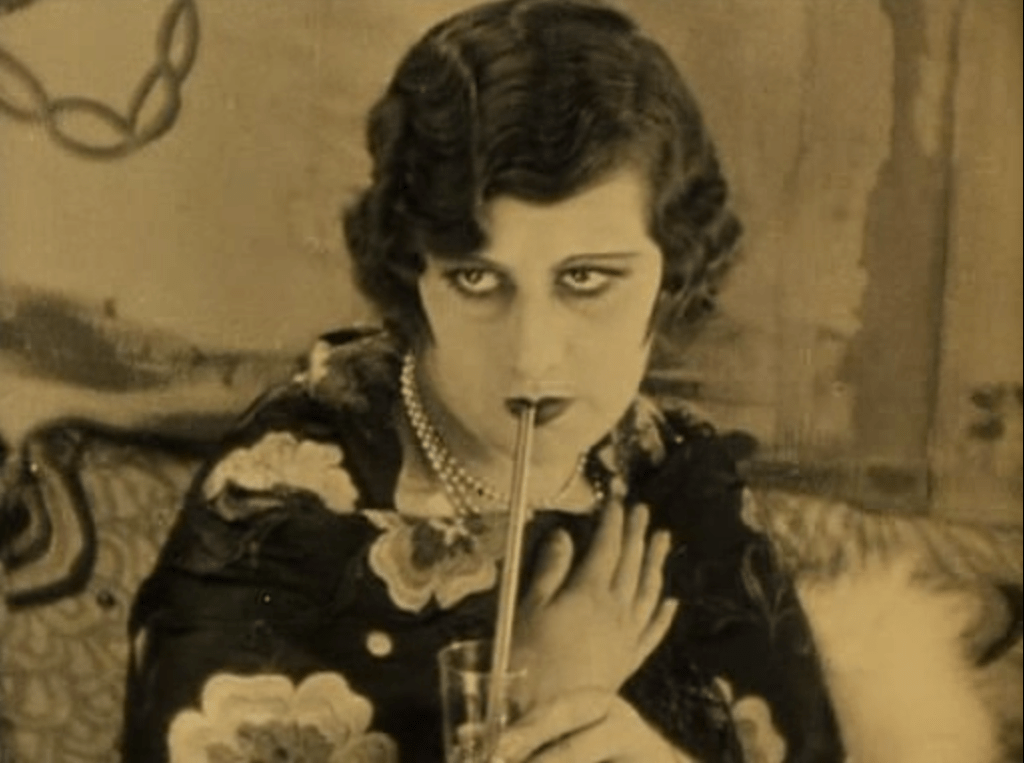
Due to the intensity of its anguished and baroque surfaces, its radical reconstruction of spatial dimensions, and its cartoonish, sometimes grotesque approach to performance and film dramaturgy, Sergei Eisenstein’s unfinished trilogy Ivan the Terrible (1944-46) – the Soviet master’s final work, one of the prime glories of the cinema – may be plausibly considered one of the most idiosyncratic and extreme examples of film style. This cinematic diptych, a kind of demented freak-out which scholar Joan Neuberger has aptly called “a key event in the history of Soviet art,” represents an ultimate rejection on the part of its author of a montage-based aesthetic principle which Eisenstein himself helped to formulate – a kind of theoretical approach to editing which reaches its logical culmination in the extended battle passages of Eisenstein’s first sound feature, Alexander Nevsky (1938). With Ivan, Eisenstein seems to be communicating to the viewer primarily through the formal excesses and ornate visual textures of his images, rather than through an ideological friction between two or more images, a heady technique that he deployed with aplomb in his silent work. (more…)